2026-05-17
When people hear the words anti-aging skincare, the first thing that comes to mind is usually expensive serums, luxury creams, or miracle products that promise to erase wrinkles overnight. The reality is much simpler—and honestly, much more encouraging.
A good anti-aging skincare routine isn't about trying to look twenty forever. It's about keeping your skin healthy, resilient, and radiant as it naturally changes over time. Fine lines, loss of elasticity, and uneven skin tone are all normal parts of aging, but the way you care for your skin every day can significantly influence how gracefully those changes appear.
The biggest mistake many people make is waiting until visible signs of aging become obvious. In reality, skincare works best as prevention rather than correction. The earlier you build healthy habits, the easier it becomes to maintain youthful-looking skin for years.
Whether you're in your late twenties looking to prevent premature aging or in your forties searching for a more effective routine, this guide will help you understand what truly matters—and what you can safely ignore.
Understanding Why Skin Ages
Skin aging happens for two main reasons.
The first is natural aging, which is controlled by genetics. As we grow older, our skin naturally produces less collagen, elastin, and hyaluronic acid. These are the building blocks responsible for keeping skin firm, smooth, and hydrated.
The second is external aging, often called premature aging. This is influenced by environmental factors and lifestyle choices such as excessive sun exposure, smoking, pollution, poor sleep, stress, unhealthy diet, and inconsistent skincare.
Interestingly, dermatologists estimate that a significant portion of visible facial aging is actually caused by UV exposure rather than age itself. That means protecting your skin from the sun may be the single most effective anti-aging habit you can develop.
Step 1: Start With a Gentle Cleanser
Healthy skin begins with proper cleansing.
Throughout the day, your skin collects dirt, excess oil, sunscreen residue, pollution, and makeup. Sleeping without removing these impurities can accelerate skin damage and lead to irritation or breakouts.
Choose a cleanser that matches your skin type rather than one that leaves your face feeling tight or squeaky clean.
-
Dry skin benefits from creamy, hydrating cleansers.
-
Oily skin usually prefers lightweight gel cleansers.
-
Sensitive skin responds best to fragrance-free formulas with soothing ingredients.
Cleansing twice daily is usually enough. Overwashing can damage your skin barrier, making your skin appear dull, dehydrated, and older than it actually is.
Step 2: Never Skip Sunscreen
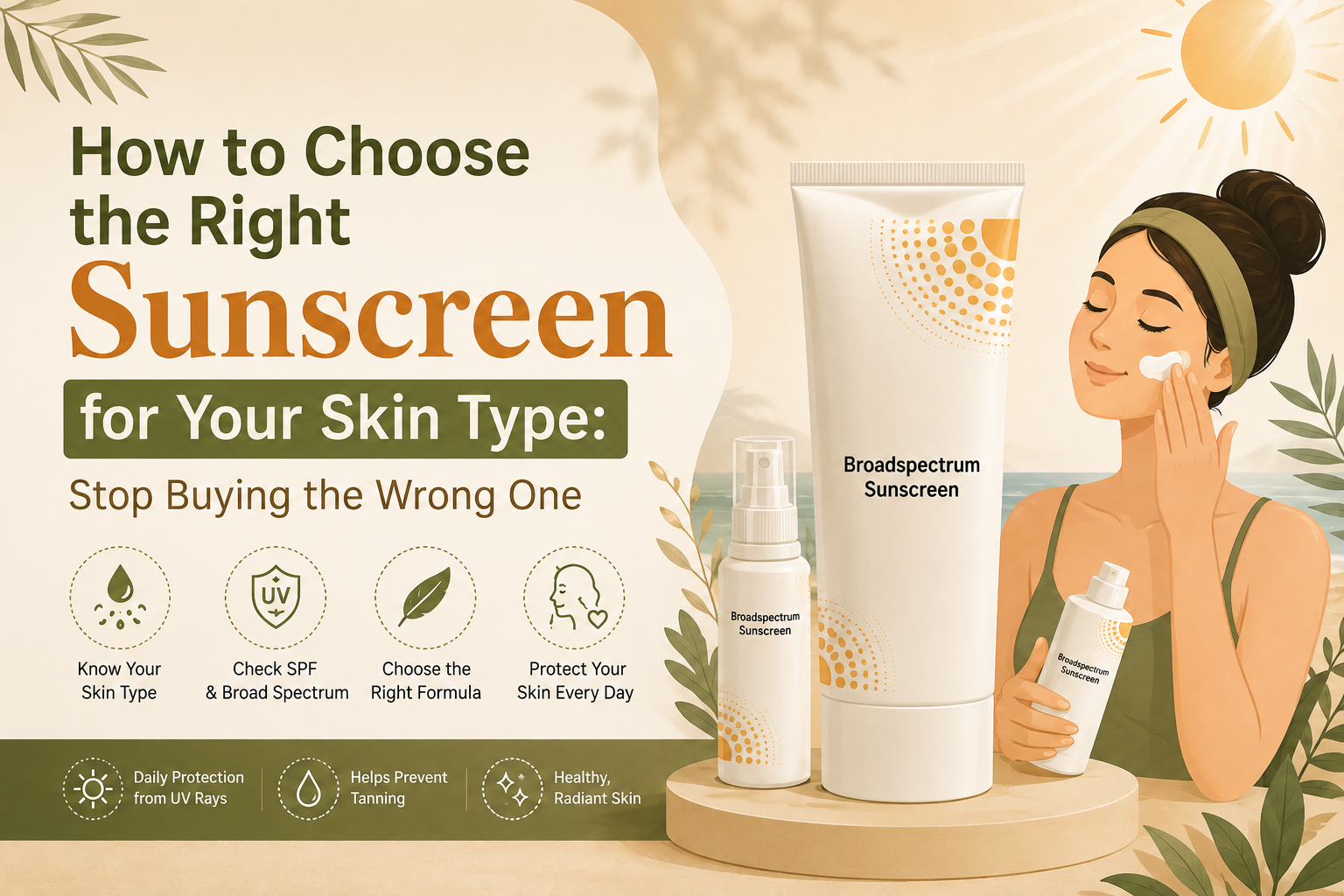
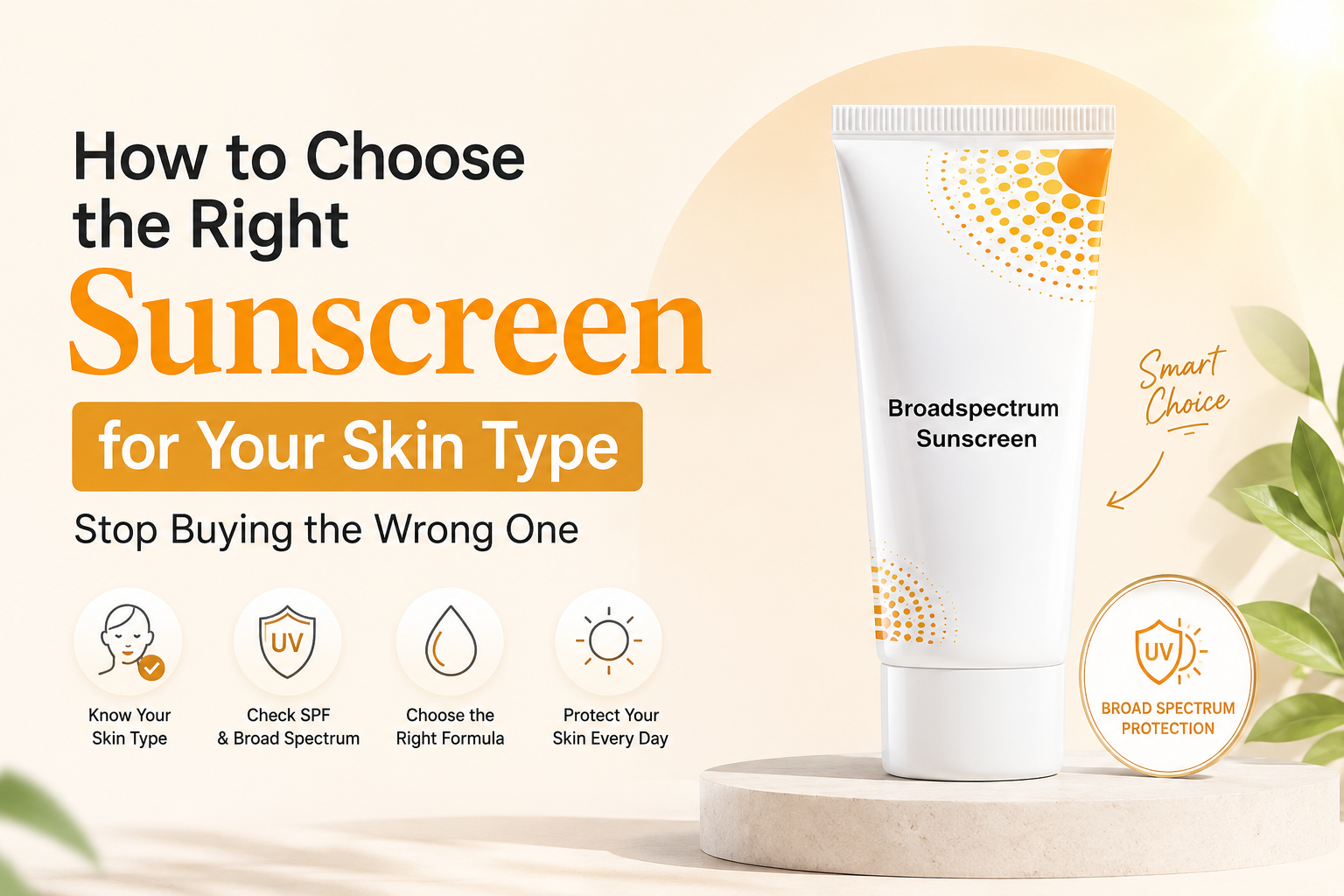
If you only invest in one anti-aging product, make it sunscreen.
UV rays silently damage collagen every single day—even when it's cloudy or you're indoors near windows. This damage accumulates over time, leading to wrinkles, pigmentation, and loss of firmness.
A broad-spectrum sunscreen with SPF 30 or higher should become part of your morning routine regardless of the season.
Remember that sunscreen isn't just for beach vacations.
Daily activities like driving, walking the dog, commuting to work, or sitting beside a sunny window expose your skin to UV radiation.
Applying sunscreen every morning—and reapplying when needed—is one of the smartest long-term investments you can make for your skin.
Step 3: Hydration Is More Important Than You Think
Many people confuse dry skin with aging skin.
When skin lacks moisture, fine lines become more visible, texture feels rough, and the complexion loses its natural glow.
Keeping the skin hydrated helps maintain a healthy barrier and makes the face appear smoother and fresher.
Look for moisturizers containing ingredients such as:
-
Hyaluronic Acid
-
Glycerin
-
Ceramides
-
Squalane
-
Panthenol
These ingredients attract moisture and help prevent water loss throughout the day.
Even oily skin requires moisturizer. Skipping it can actually encourage the skin to produce more oil in an attempt to compensate for dehydration.
Step 4: Introduce Active Ingredients Slowly
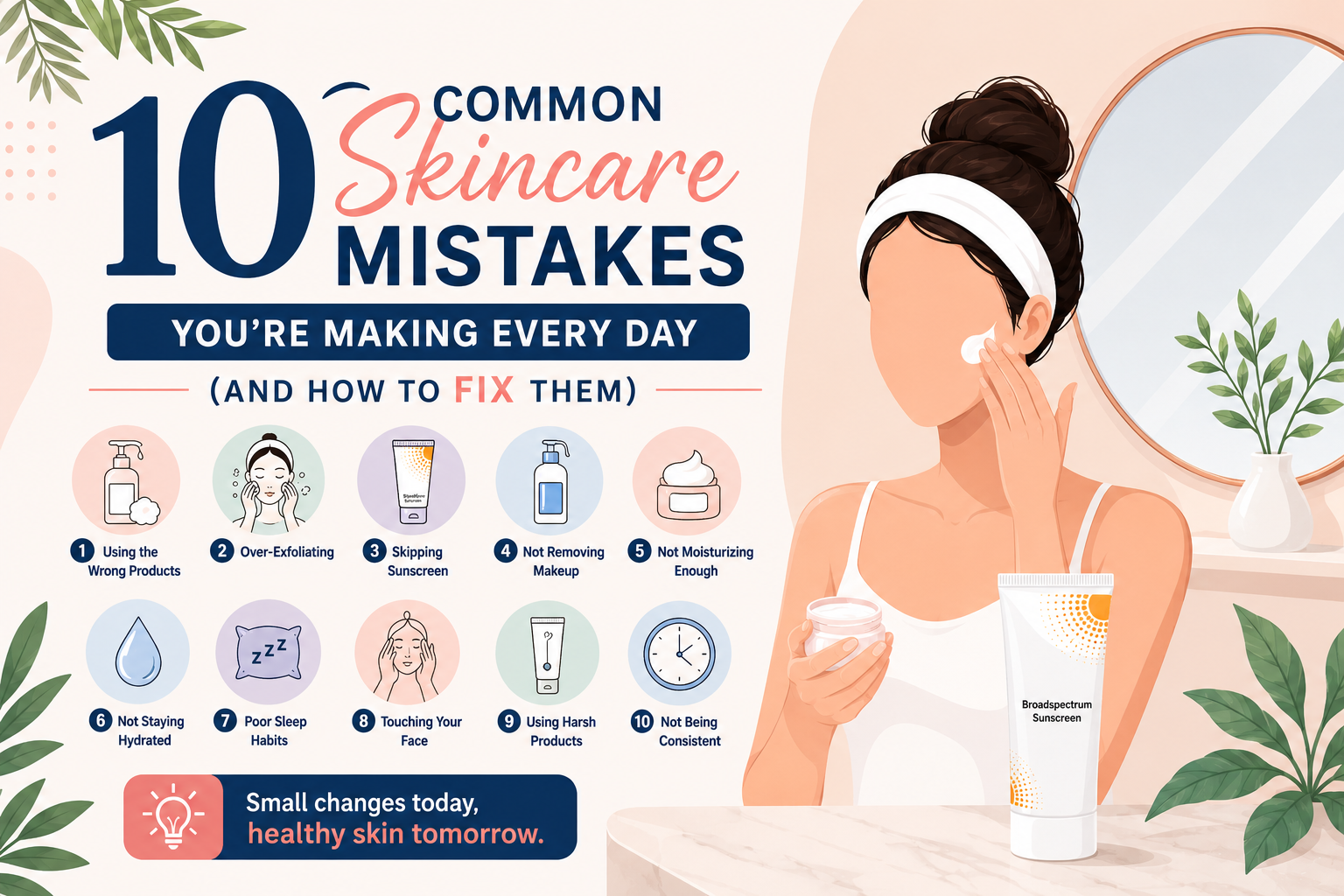
One of the biggest skincare mistakes is using too many powerful ingredients at the same time.
Instead, introduce one active ingredient at a time and allow your skin several weeks to adjust.
Some of the most effective anti-aging ingredients include:
Retinol
Retinol is often considered the gold standard of anti-aging skincare.
It encourages faster cell turnover, supports collagen production, softens fine lines, improves uneven skin tone, and enhances overall skin texture.
Beginners should start with a low concentration two or three nights per week before gradually increasing usage.
Vitamin C
Vitamin C is an excellent morning antioxidant.
It helps brighten dull skin, reduce pigmentation, support collagen production, and protect against environmental damage.
Using Vitamin C underneath sunscreen creates an extra layer of defense against daily oxidative stress.
Niacinamide
Niacinamide is incredibly versatile.
It helps strengthen the skin barrier, improve uneven skin tone, regulate oil production, reduce redness, and support overall skin health.
Because it's generally well tolerated, it fits easily into most skincare routines.
Peptides
Peptides are small proteins that communicate with skin cells and encourage collagen production.
While they won't produce overnight miracles, consistent use can gradually improve firmness and elasticity.
Step 5: Exfoliate—But Don't Overdo It
Exfoliation removes dead skin cells that accumulate on the skin's surface.
Done correctly, it leaves the complexion brighter, smoother, and more receptive to skincare products.
However, excessive exfoliation can damage the protective barrier and increase irritation.
Most people only need chemical exfoliation once or twice each week.
Gentle exfoliating acids like lactic acid or mandelic acid are often easier for beginners than harsh physical scrubs.
If your skin feels constantly sensitive, red, or tight, it may be a sign you're exfoliating too frequently.
Step 6: Give Your Skin Time to Repair at Night
Nighttime is when your skin naturally focuses on recovery.
This makes evening the ideal time to apply nourishing ingredients that support repair.
A simple nighttime routine may include:
-
Gentle cleanser
-
Retinol (on selected nights)
-
Hydrating serum
-
Moisturizer
There's no need for a complicated ten-step routine.
Consistency matters far more than the number of products sitting on your bathroom shelf.
Lifestyle Habits That Slow Visible Aging
Great skin isn't created by skincare alone.
Your everyday lifestyle has an enormous impact on how your skin ages.
Prioritize Sleep
Your body repairs damaged cells while you sleep.
Regularly getting seven to nine hours of quality sleep helps improve skin recovery and supports a healthier complexion.
Eat Skin-Friendly Foods
A diet rich in colorful fruits, vegetables, healthy fats, nuts, seeds, and lean protein provides the nutrients your skin needs to produce collagen and fight oxidative stress.
Foods high in antioxidants may help reduce long-term environmental damage.
Stay Hydrated
While drinking water won't erase wrinkles, proper hydration supports overall skin function and contributes to a healthier appearance.
Manage Stress
Chronic stress increases cortisol levels, which may negatively affect collagen production and skin healing.
Exercise, meditation, hobbies, and adequate rest all contribute to healthier-looking skin over time.
Avoid Smoking
Smoking accelerates collagen breakdown, reduces blood circulation, and contributes to premature wrinkles.
Quitting smoking benefits not only your overall health but also your skin's appearance.
Common Anti-Aging Mistakes
Even expensive skincare products can't compensate for poor habits.
Some of the most common mistakes include:
-
Skipping sunscreen because it's cloudy outside.
-
Using too many active ingredients together.
-
Expecting overnight results.
-
Frequently changing skincare products.
-
Ignoring the neck and hands.
-
Sleeping with makeup on.
-
Using harsh scrubs every day.
Avoiding these mistakes often delivers better results than constantly purchasing new products.
When Should You Start an Anti-Aging Routine?
There's no perfect age.
Many dermatologists recommend building preventive habits in your twenties, introducing ingredients like sunscreen, moisturizer, antioxidants, and eventually retinol if appropriate.
However, it's never too late to start.
People in their forties, fifties, and beyond can still see noticeable improvements in hydration, texture, pigmentation, and overall skin health through a consistent routine.
The goal isn't to stop aging.
It's to help your skin age in the healthiest way possible.
Final Thoughts
The most effective anti-aging skincare routine isn't the one with the highest price tag or the longest list of products. It's the routine you can follow consistently every single day.
Healthy skin is built through small daily habits—gentle cleansing, proper hydration, daily sun protection, carefully chosen active ingredients, and a balanced lifestyle. While no cream can turn back time, the right routine can help your skin stay stronger, smoother, and more radiant for years to come.
Instead of chasing unrealistic promises, focus on protecting your skin, supporting its natural repair process, and being patient. Real skincare results don't happen overnight, but with consistency, your skin will thank you in the years ahead. Aging is inevitable, but caring for your skin wisely allows you to embrace every stage with confidence.